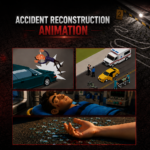
What Is Accident Reconstruction Animation?

On this page

Table of Contents

Law Animation
What Is Accident Reconstruction Animation

After a serious accident, understanding exactly what happened can be challenging.

Photographs may show the aftermath, witness statements can provide different perspectives, and written reports may contain technical details that are difficult to visualize. An accident reconstruction animation helps bring these pieces of information together into a clear visual sequence.

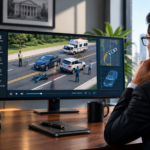
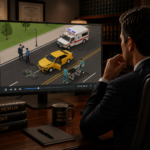
Using available evidence, technical data, and—when applicable—expert analysis, accident reconstruction animation can illustrate how an accident may have occurred. These animations are commonly used in personal injury, wrongful death, insurance, and other litigation matters involving complex accident scenarios.

In this guide, we explain what accident reconstruction animation is, how it is created, what types of cases can benefit from it, and how it can support attorneys and experts in communicating complex events.


What Is Accident Reconstruction Animation?

Accident reconstruction animation is a 2D or 3D visual representation of an accident sequence based on available evidence and, where applicable, the analysis and opinions of qualified experts.

The animation may demonstrate factors such as:

  • Vehicle movement
  • Speed and direction
  • Points of impact
  • Road or site conditions
  • Positions of people, vehicles, or equipment
  • Timing and sequence of events
  • Visibility and lines of sight
  • The movement of objects before, during, and after an incident

The purpose is to help viewers understand the sequence of events in a way that may be difficult to communicate through photographs, reports, diagrams, or verbal testimony alone.

A key distinction is that an accident reconstruction animation should not simply be a creative interpretation of what might have happened. When used for litigation, the visual should be grounded in the relevant case materials, documented assumptions, and appropriate expert analysis where required.


How Is Accident Reconstruction Animation Used?

Accident reconstruction animation can support communication at multiple stages of a legal case.

Explaining Complex Events

Some accidents occur in seconds but involve multiple movements and interactions.

For example, a collision may involve:

  1. A vehicle approaching an intersection
  2. Another vehicle changing lanes
  3. A sudden braking event
  4. A collision
  5. Secondary impacts
  6. The final resting positions of the vehicles

Written descriptions can explain these events, but animation can show the sequence visually.

Supporting Expert Testimony

Accident reconstruction experts may analyze physical evidence and other case materials to form opinions about how an accident occurred.

An animation can serve as a visual aid to help communicate those opinions and the sequence being described.

Depending on the case and applicable legal requirements, the animation may be developed around:

  • Expert reports
  • Accident reconstruction analysis
  • Scene measurements
  • Vehicle data
  • Photographs and video
  • Police or investigative reports
  • Witness testimony
  • Other relevant evidence

Helping Juries Understand Technical Information

Jurors may be asked to understand concepts involving speed, distance, reaction time, vehicle movement, momentum, visibility, and collision dynamics.

These concepts can be difficult to imagine from testimony alone.

A well-designed animation can provide visual context and help connect technical information to the physical events being discussed.


What Types of Accidents Can Be Reconstructed?

Accident reconstruction animation can be used for many types of incidents.

Car Accident Reconstruction

Car accident animations can demonstrate the movement of vehicles before and during a collision.

They may help visualize:

  • Intersection accidents
  • Rear-end collisions
  • Side-impact collisions
  • Lane-change accidents
  • Head-on collisions
  • Multi-vehicle crashes

Truck Accident Reconstruction

Commercial truck accidents can involve additional factors such as vehicle size, braking distance, turning radius, cargo, and driver visibility.

An animation can help illustrate how these factors relate to the accident sequence.

Motorcycle Accident Reconstruction

Motorcycle accidents may involve questions about vehicle positioning, visibility, speed, braking, and the movement of the rider.

A reconstruction animation can help present these elements in a chronological visual sequence.

Pedestrian and Bicycle Accidents

Pedestrian and bicycle accident cases may involve visibility, crossing locations, vehicle movement, timing, and the interaction between multiple road users.

Animation can help visualize the spatial relationship between the parties involved.

Workplace and Construction Accidents

Accident reconstruction is not limited to roadways.

3D animation can also be used to visualize:

  • Equipment accidents
  • Falls
  • Machinery incidents
  • Construction site accidents
  • Industrial accidents
  • Forklift incidents
  • Safety failures

These environments can be difficult to recreate using photographs alone, particularly when the incident involved moving equipment or multiple stages.


How Is an Accident Reconstruction Animation Created?

The process usually begins with a detailed review of the available information.

1. Evidence and Case Material Review

The production team reviews relevant materials to understand the accident and determine what needs to be visualized.

Materials may include:

  • Police or accident reports
  • Scene photographs
  • Surveillance or dash camera footage
  • Drone footage
  • Vehicle photographs
  • Site measurements
  • Event data recorder information
  • Expert reports
  • Witness statements
  • Engineering or forensic analysis

The quality and availability of this information can influence both the accuracy and scope of the final animation.

2. Expert Collaboration

For complex cases, collaboration with a qualified accident reconstruction expert can be an important part of the process.

The expert may provide analysis, assumptions, calculations, or opinions that guide the reconstruction.

The animation team then translates the relevant information into a visual format.

This collaboration helps distinguish a litigation-focused reconstruction from a purely illustrative or artistic animation.

3. Storyboarding the Sequence

Before producing the final animation, the sequence of events may be planned through a storyboard.

This allows the legal team and relevant experts to review:

  • The order of events
  • Camera perspectives
  • Important moments
  • Vehicle positions
  • Visual emphasis

Changes are generally easier to make during the planning stage than after full animation production begins.

4. 3D Modeling

The necessary elements are then created digitally.

This may include:

  • Vehicles
  • Roads and intersections
  • Buildings
  • Traffic signals
  • People
  • Construction equipment
  • Machinery
  • Other environmental details

The level of detail depends on what is necessary to communicate the case.

5. Animation and Simulation

The elements are animated to demonstrate the sequence of events.

Depending on the project, this may involve:

  • Vehicle movement
  • Collision sequences
  • Object movement
  • Camera tracking
  • Changes in perspective
  • Slow-motion views
  • Overhead or aerial perspectives

Multiple viewpoints may be used to explain different aspects of the accident.

6. Review and Revision

The animation is reviewed by the legal team and, where applicable, relevant experts.

This stage helps ensure that the visual presentation accurately reflects the intended evidence, assumptions, and analysis.

Once approved, the animation is prepared for its intended use, which may include mediation, expert presentations, trial preparation, or courtroom presentation.


Accident Reconstruction Animation vs. Accident Reconstruction

These two terms are related, but they are not the same.

An accident reconstruction is the process of analyzing evidence to determine or evaluate how an accident occurred. This analysis may involve qualified reconstruction experts and technical methods.

An accident reconstruction animation is the visual representation used to communicate relevant findings, opinions, assumptions, or sequences.

In simple terms:

Accident Reconstruction = Analysis

Accident Reconstruction Animation = Visualization

The animation itself should not replace expert analysis. Instead, it can help make technical findings easier to understand.


Why Use 3D Animation for Accident Reconstruction?

Accident scenes often change immediately after an incident.

Vehicles are moved. Roads reopen. Equipment is removed. Weather and lighting conditions change.

Even when photographs and videos are available, they may not show the complete sequence of events.

3D animation makes it possible to visually recreate relevant elements of the scene and demonstrate movement over time.

This can help explain:

  • Where each vehicle was located
  • How objects moved
  • The timing of events
  • Lines of sight
  • Points of impact
  • The sequence leading to a collision

The goal is to provide clarity—not to add unnecessary visual effects.

A good reconstruction animation should remain focused on the information that matters to the case.


What Makes an Accident Reconstruction Animation Reliable?

The reliability of a litigation-focused animation depends heavily on the foundation behind it.

A professional production process should consider:

Evidence

The visual should be developed using relevant case materials rather than unsupported assumptions.

Expert Input

Where technical analysis is required, the animation may need to reflect the opinions and findings of appropriately qualified experts.

Documentation

Important assumptions, data sources, and expert conclusions should be clearly understood during the production process.

Accuracy

Vehicle types, scene layouts, movement, measurements, and other relevant details should be represented appropriately based on the available information.

Clear Communication

The final animation should help explain the case without introducing unnecessary complexity.


Can Accident Reconstruction Animation Be Used in Court?

Accident reconstruction animation may be used in litigation and courtroom presentations, but whether and how a particular animation is presented depends on the facts of the case, its evidentiary foundation, applicable rules, jurisdiction, and decisions of the court.

Attorneys should evaluate the appropriate use of an animation based on their specific case and applicable legal requirements.

Factors that may be relevant include:

  • The purpose of the animation
  • The evidence supporting it
  • Expert testimony
  • The assumptions used
  • Whether it is demonstrative or offered for another purpose
  • Applicable evidentiary rules

For this reason, legal teams should involve the appropriate experts and counsel when planning a courtroom visualization.


When Should an Attorney Consider Accident Reconstruction Animation?

An attorney may consider animation when the facts of an accident are difficult to explain through static evidence alone.

It can be particularly useful when a case involves:

  • A disputed sequence of events
  • Multiple vehicles
  • Complex movement or timing
  • Technical reconstruction analysis
  • Difficult spatial relationships
  • A large or complex accident scene
  • Expert testimony that requires visual explanation

Not every case requires a detailed 3D animation.

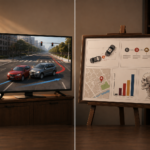
Sometimes a simpler timeline, diagram, or trial graphic may be more appropriate.

The key question is:

What information does the audience need help understanding?

The answer can help determine the right type of visual presentation.


How Law Animator Creates Accident Reconstruction Animations

At Law Animator, we help legal teams transform complex accident information into clear, professional visual presentations.

Our process begins by understanding the facts of the case and the purpose of the animation.

We review the available case materials and collaborate with attorneys and relevant subject-matter experts to develop visuals that support the information being presented.

Depending on the case, our accident reconstruction animation services can help visualize:

  • Car and multi-vehicle accidents
  • Truck collisions
  • Motorcycle accidents
  • Pedestrian incidents
  • Construction accidents
  • Workplace accidents
  • Equipment and machinery incidents

Our focus is not simply on creating realistic 3D visuals.

It is on helping legal teams communicate complex information clearly, accurately, and effectively.


Frequently Asked Questions

What is accident reconstruction animation?

Accident reconstruction animation is a visual representation of how an accident may have occurred, developed using available evidence and, where appropriate, qualified expert analysis.

How accurate is accident reconstruction animation?

Accuracy depends on the quality of the underlying information, evidence, assumptions, and expert analysis used to develop the visualization. A litigation-focused animation should clearly reflect its evidentiary and technical foundation.

Who creates accident reconstruction animations?

These projects may involve 3D animators and visualization specialists working with attorneys, accident reconstruction experts, engineers, and other relevant professionals.

What information is needed to create an accident reconstruction animation?

Useful materials may include accident reports, photographs, videos, scene measurements, vehicle information, event data, witness statements, and expert reports.

How long does it take to create an accident reconstruction animation?

The timeline depends on the complexity of the accident, the amount of evidence, the number of scenes, the level of detail, expert involvement, and the required revisions.

How much does an accident reconstruction animation cost?

Costs vary depending on project complexity. Factors such as 3D modeling requirements, animation length, number of vehicles or objects, scene complexity, expert collaboration, and delivery timelines can all affect the final cost.


Turn Complex Accident Evidence Into a Clear Visual Story

Accidents can be difficult to explain.

Reports describe events. Photographs capture individual moments. Experts provide technical analysis.

Accident reconstruction animation helps connect those pieces into a visual sequence that is easier to understand.

For attorneys handling complex personal injury, wrongful death, vehicle collision, construction, or workplace accident cases, the right visual can help communicate important facts with greater clarity.

Law Animator creates professional accident reconstruction animations designed to help legal teams visualize complex events and present technical information clearly.

Contact Law Animator to discuss your case and explore the right visualization strategy for your litigation needs.

Contact Us

We usually respond within a few hours.